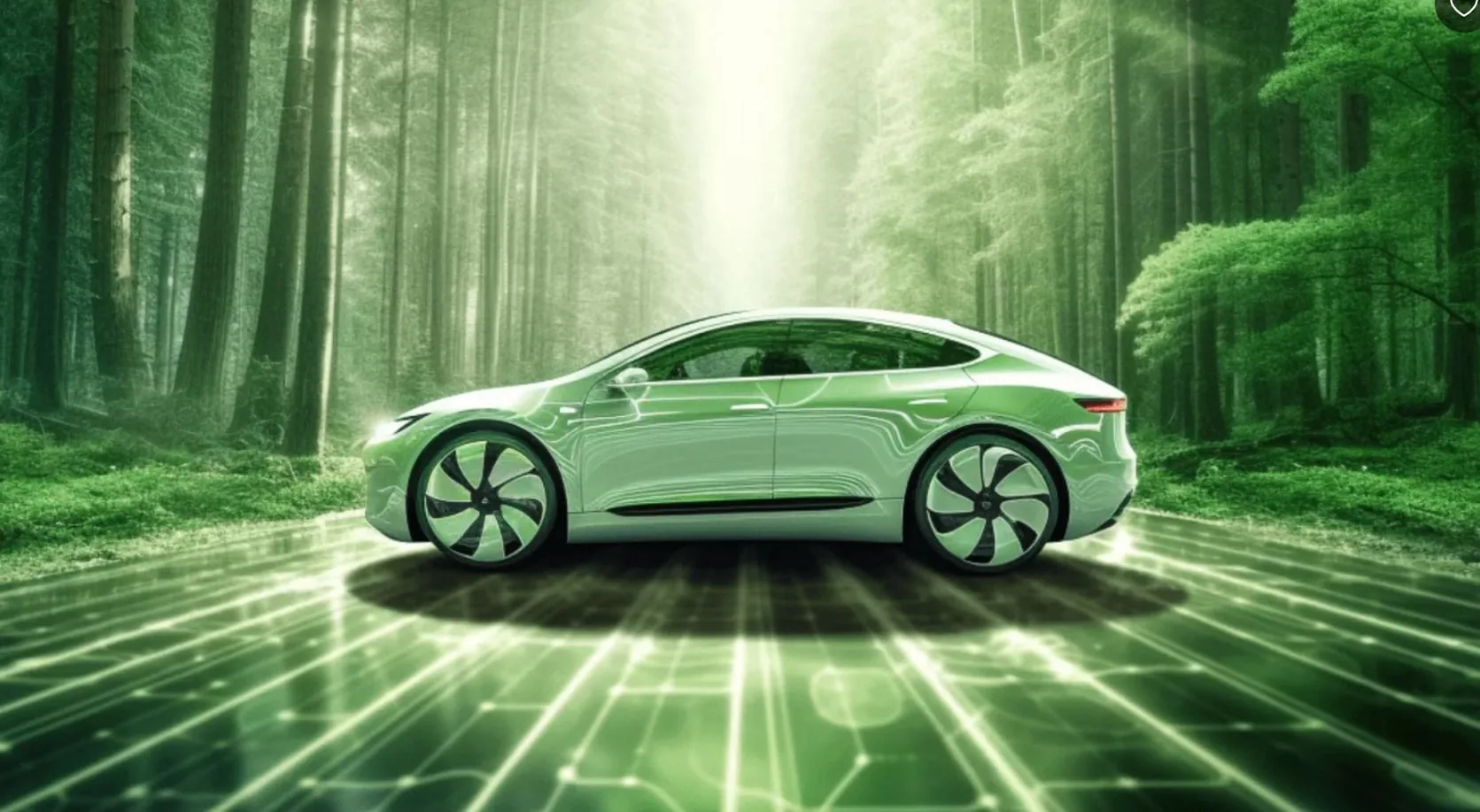
The Role of Electric Vehicles in Sustainable Delivery
Electric vehicles have become a visible symbol of sustainable delivery in many cities. They produce zero tailpipe emissions, which directly supports green logistics goals in densely populated areas. However, their adoption requires careful planning around charging infrastructure and range limitations. Eco transport solutions must consider the entire lifecycle of batteries, including production and recycling. Clean shipping with electric vans is already feasible for short‑haul and last‑mile operations.
Delivery systems that incorporate electric fleets often report lower noise levels and reduced maintenance costs. Logistics innovation in battery technology continues to extend driving ranges and shorten charging times. Green logistics experts recommend a phased transition, starting with routes that have predictable distances. Sustainable delivery also benefits from regenerative braking and energy‑efficient cabin heating. Clean shipping is not an all‑or‑nothing choice; hybrid approaches can bridge the gap until pure electric becomes universal.
Eco transport planners must also evaluate electricity sources to maximise environmental gains. When charging stations are powered by renewables, the overall impact of sustainable delivery improves dramatically. Delivery systems can be designed to charge during off‑peak hours, reducing strain on grids. Logistics innovation includes vehicle‑to‑grid concepts that turn fleets into mobile storage units. Green logistics will increasingly rely on electric mobility, but infrastructure and policy support remain essential for widespread success.