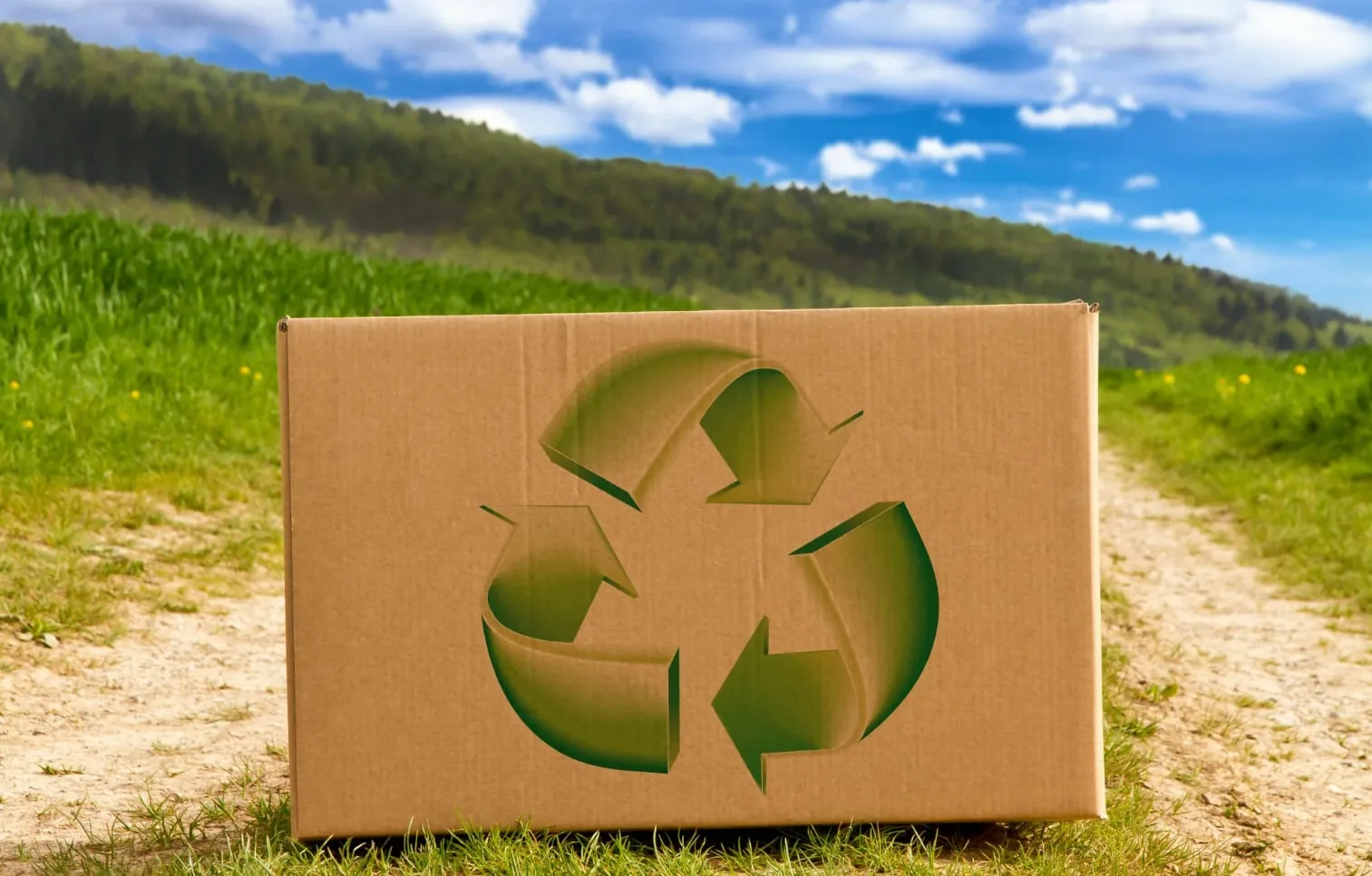
Packaging and Clean Shipping: A Shared Responsibility
Clean shipping is incomplete without addressing the packaging that protects goods during transit. Traditional materials like plastic foam and bubble wrap contribute to waste and emissions. Green logistics encourages the use of recycled, biodegradable, or reusable alternatives. Sustainable delivery requires a holistic view, from warehouse to doorstep, including every wrapper and cushion. Eco transport initiatives often overlook packaging, but its weight and volume directly affect fuel consumption.
Delivery systems that integrate lightweight packaging reduce overall cargo mass, improving efficiency. Logistics innovation has introduced smart packaging with sensors that monitor condition and reduce over‑packaging. Clean shipping benefits from right‑sized boxes that eliminate empty space and secondary wrapping. Green logistics practitioners advocate for returnable containers and deposit‑free reuse schemes. Sustainable delivery also involves educating customers about proper disposal and recycling of packaging components.
Eco transport strategies can include consolidation hubs where products are repacked into optimised bundles. Clean shipping standards are gradually evolving to include packaging certifications and carbon labelling. Delivery systems that collaborate with suppliers can standardise material choices across the chain. Logistics innovation in this area focuses on biodegradable polymers and plant‑based foams. Green logistics ultimately depends on every participant, from manufacturer to consumer, embracing packaging as part of the solution.